Colorbond Fencing Rules: Problems, Levels, and Permits
Colorbond fencing beings in a pleasant spot for several Australian home owners. It is resilient, rapid to set up, and supplies dependable privacy without casting a hefty visual shadow over a yard. The same attributes that make it useful likewise bring it under a web of guidelines. Councils, state legislation, and also utilities carve out their very own say in how high you can go, where you can place it, and when a license is required. I have rested across kitchen area tables with neighbors and home builders sorting this out, and the string that goes through every smooth project is easy: find out the guidelines prior to you set a post.
Why law matters with Colorbond in particular
Steel fencings are light compared with stonework, but they still function as large sails. Elevation, wind exposure, and ground deepness matter. Colorbond fence panels are produced in set components and elevations, which helps installers maintain points neat, yet it additionally suggests little regulative differences have large downstream impacts. A 1.8 metre panel that is legal on a side border could be too tall at a front boundary. A corner whole lot that looks straightforward can set off sightline guidelines that reduced a metre off your prepared height near the driveway.
You additionally have neighbours to take into consideration. The majority of states have a Dividing Fences Act or equal that sets out price sharing and conflict procedures. Those regulations run alongside preparation and building guidelines. You could be precisely preparing elevation, yet still incorrect if you pressed a neighbour right into spending for a high specification they did not accept. One of the most cost-effective course is clear illustrations, a written agreement, and a fast call to council prior to you schedule a crew.
Who controls what: a quick map of authority
Two bodies of policies generally apply.
First, state splitting fencing regulation deals with who pays and exactly how disputes are dealt with. The names vary by state, yet the drive is comparable. If a fencing is taken into consideration enough for the boundary, each neighbor typically shares for maintenance or a like-for-like replacement. If you desire an upgrade for privacy or looks, you normally cover the distinction unless your neighbour agrees. This framework does not, by itself, established elevations or setbacks.
Second, your regional preparation scheme and building laws established how high a fencing can be, where it can rest, and when you need a license. Many yard Colorbond fencings are excluded from formal preparation authorization when they remain within typical limits. Deviations, like added elevation on a busy roadway, front fences, or work in heritage overlays, can cause a permit.
When in doubt, check 3 areas: the council's fencing or border functions web page, your state's separating fencings support, and the mapping for any type of easements on your title.
Height limits discussed without the small print fog
Heights are where most jobs come unstuck. Keep the adhering to practical benchmarks in mind and confirm them in your area, due to the fact that there are exceptions.
Side and back limits. Most councils enable as much as about 1.8 to 2.0 metres on side and back borders without a preparation permit. The usual wonderful place is 1.8 metres, because that is a typical Colorbond panel height and offers solid privacy. Some councils will certainly let you push to 2.1 metres via an application if there are special demands, like an adjoining commercial property or overlooking from a raised deck.
Front limits. Front fences face tighter regulations. Numerous councils cap solid front fencings at regarding 1.2 metres, occasionally as much as 1.5 metres if part of the fence is open-style. A totally strong 1.8 metre Colorbond front fence commonly requires planning authorization and is often rejected unless the street context sustains it. In well established residential areas with open front yards, councils secure the personality by restricting solid height.
Corner whole lots and sightlines. If your fencing rests near a driveway crossover or a junction, expect sightline triangulars that limit fence elevation to around 0.9 to 1.2 metres in that zone to keep pedestrians and vehicle drivers visible. The dimension of the triangular differs by state and council, yet the concept is the same.
Pools and security areas. Swimming pool security barriers are a separate regime. A Colorbond pool obstacle of 1.2 metres minimum elevation can be compliant if it satisfies the swimming pool obstacle standard, yet mixing a border fence with a pool barrier requires care. Straight rails on the inside can develop footings. Gates should be self-closing and self-latching. Any type of climbable things near the obstacle, like a planter box, can weaken compliance.
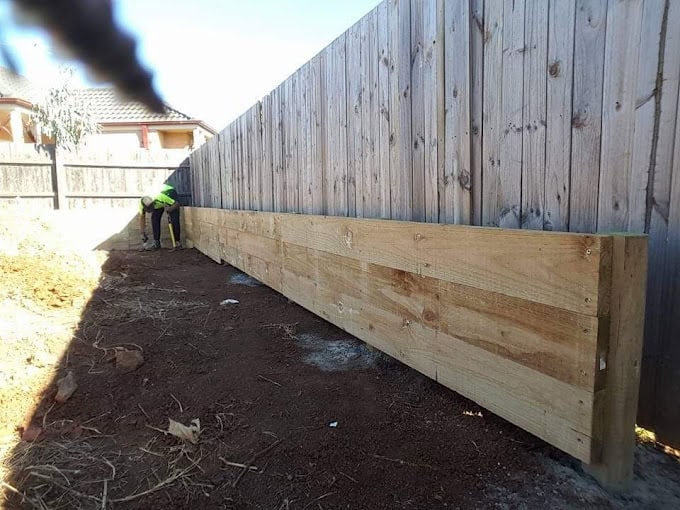
Retaining walls and gauging elevation. A classic catch is building a fencing on top of a retaining wall. Most councils determine fence height from natural ground degree at the lower side, not from the top of the wall surface. Place a 1.8 metre panel on a 0.6 metre preserving wall, and the effective fencing height could be 2.4 metres. That normally needs authorization. On sloping blocks, height is typically gauged to the top of the panel at each point along the limit, again from natural ground at the lower side.
Acoustic or display fences. Some roads feature an acoustic requirement. If your building backs a significant arterial, councils could permit higher and much heavier fences for noise control, typically via a development assessment. In those instances, engineering can be required to handle wind tons and building weight.
Setbacks that capture people by surprise
Setbacks are simple on paper and unpleasant on corner cases.
Side and rear boundaries. Most Colorbond fencing along side and rear limits can rest on the border with no setback. That is why you see a long term of steel panels bolted right into blog posts set right at the survey line.
Front border. The front problem normally mirrors your planning zone's front fence regulations. In numerous suburbs, if you want a strong Colorbond front fence higher than 1.2 metres, you will certainly be pressed back or declined unless the road currently has taller front fences.
Secondary road frontage. On an edge lot, the fence along the second street often requires a problem, typically around 0.5 to 2.0 metres depending on zoning and area personality. Councils often soften lengthy blank walls to the street. I have actually had work where a 1.8 metre fencing on the second frontage was only allowed if we tipped the initial 3 metres down near the corner to 1.2 metres for sightlines.
Easements and solutions. Title prepares regularly show drainage or sewer easements along the back or side limit. You can commonly develop a fence across an easement if the messages are detachable and you do not pour a constant footing that blocks accessibility. In a water authority location with known trunk lines, they might need higher clearances or removable sections. Before You Dig Australia is your friend. Lodging a free questions can save you from punching a blog post opening right into a 100 mm gas main.
Stormwater and overland flow. In storm-prone pockets, a solid fencing can imitate a dam. Councils often call for under-fence voids or particular plinth details to allow water pass through. If your backyard beings in an overland flow path, bring this up with council early, particularly if you prepare a concrete plinth or sleepers that minimize ground clearance.
Bushfire and deterioration areas. In bushfire-prone locations, steel fence can carry out better than hardwood when subjected to embers, but neighborhood BAL controls still apply to affixed structures. Near the coast, problem is less of a planning issue and even more a sturdiness one. Usage suitable finishings and fasteners to stay clear of tea discoloration and rust creep.
When a permit is required and what to expect
Rules vary across states, but patterns hold.
In many NSW councils, a boundary fence as much as 1.8 metres that is not on a heritage site or corner sightline location is exempt growth. Step into 2.1 metres, add a solid front fencing over about 1.2 metres, or improve a corner within the sightline triangle, and you will generally need a Development Application. In Victoria, a lot of back and side boundary fencings approximately 2.0 metres are excluded from a building authorization, but planning overlays like heritage or a Style and Growth Overlay can cause a preparation permit. Queensland regularly allows approximately 2.0 metres at the side and rear without a development authorization, with the acquainted front fencing caps applying. Western Australia uses local planning policies that usually mirror the same elevations, however you will certainly see stricter sightline guidelines measured from truncations on corners. South Australia and the ACT again return to the same structure, with significant exceptions in character areas.
Heritage overlays and special areas are where assumptions stop working. I have had clients in heritage streetscapes who desired Colorbond fence designs with modern accounts along the front. The council's heritage expert would only sustain reduced open-style or standard picket profiles at the front, and we maintained the Colorbond sideways and rear. Obtaining that wrong costs time and goodwill.
If you do require an authorization, the council usually desires a site strategy revealing borders, problems, heights at key points, the area of any kind of easements, and the fence kind. Corner lots typically require a straightforward sightline diagram that attaches two points 2 metres back from the corner on each street. Handling times range from a number of weeks to a number of months, depending upon intricacy and whether your neighbors object.
Working with neighbours without drama
Fence jobs just work efficiently when neighbors recognize what is coming and just how much it costs. A tranquil five-minute chat deserves greater than estimating legislation at each various other over a letterbox. If expense sharing uses, maintain the range to what counts as enough. A common 1.8 metre Colorbond paling fence a neutral colour usually passes without discussion. If you want upgraded accounts, attractive slats, or a taller run for additional privacy, several neighbours are great with it when you supply to pay the difference. Put the arrangement in composing, consist of shade, elevation, the type of sleepers or plinths if used, and that keeps the offcuts or remaining materials. Fences rest on boundaries for years, and a neat document avoids fuzzy memories.
A brief method to structure the neighbour process helps.
- Start with a clear, scaled sketch that reveals border lines, fencing elevation at key points, and any type of gates.
- Provide 2 quotes from trustworthy colorbond fence contractors so sets you back look fair.
- Note if the old fence is being eliminated and how that price is split.
- Flag any unique aspects like sleepers, a taller section near a deck, or a shade upgrade.
- Give a basic timeline and call information, after that permit a week for questions.
Technical notes that make or break compliance and performance
People commonly assume Colorbond fencings are just panels and posts. The surprise job remains in the openings and the wind. Blog post size and ground deepness adjustment with wind region and fencing height. Along the Queensland coast or open country sites, wind scores push you to much deeper footings and occasionally much heavier articles. On metropolitan blocks in even more sheltered zones, typical articles with 600 to 700 mm embedment and a cool concrete pad frequently get the job done for a 1.8 metre fencing. In really sandy dirts, I have actually gone to 800 mm or used message anchors that spread out load.
Panel selection matters past looks. Profiles like Metfence, Superdek, or similar interlocking ribs manage wind in a different way than level sheets. Trustworthy colorbond fence suppliers test their systems to published periods. Mix-and-matching an off-brand infill with a various blog post account to save a few dollars can produce rattle factors. If you are attracted by a cheap colorbond fence, ask to see a wind ranking sheet or a span table. The installer's peaceful time out will certainly inform you plenty.
On sloping blocks, make a decision in between tipping or raking. Stepping maintains each panel degree and produces little elevation leaps at messages. It can look crisp, yet you require to examine elevation at every step versus colorbond fence contractors all-natural ground on the low side to remain within limitations. Raking maintains the top line parallel with the ground, which softens the search long inclines. Not all colorbond fence panels rake neatly. Some systems handle little rakes, others require reducing. On limited budget plans, tipping with steel plinths or concrete sleepers at the base provides a tidy finish and consists of garden beds, however bear in mind sleepers add elevation at the low side when councils compute total height.
Integrating preserving walls is worthy of added care. If the website needs a true keeping wall surface, treat it as a separate framework with its very own design. Do not rely on fencing blog posts to keep dirt. Preserving wall surfaces over a small height threshold, usually around 600 to 1000 mm depending upon the council, require authorization. When the wall surface remains in and evaluated, the fencing can mount behind it or on top with a message detail made for the combined wind and rescinding loads.
Gates appear like basic add-ons however they frequently fail initially. A 1.2 metre colorbond fence entrance that swings into a yard takes much less lots than a 1.8 metre entrance that catches wind from the road. Use proper entrance frames, good joints, and latches ranked for the environment. If privacy is paramount, check just how eviction infill and frame line up with nearby panels. Terribly straightened gates produce light spaces that defeat the factor of a privacy run.
Cost varieties, budgeting, and reviewing quotes
Colorbond fencing price varies by region, access, and style selections. As a harsh guide, supply-only colorbond fence prices for standard 1.8 metre panels, articles, and rails normally drop in the range of 80 to 140 bucks per metre relying on profile and color. Set up expenses for a right, obtainable run often sit in between 90 and 180 dollars per metre for basic heights, with concrete sleepers, plinths, or complex cuts contributing to that. Tipping, raking, edge details, and elimination of the old fencing can turn a quote by several hundred dollars across a regular suburban boundary.
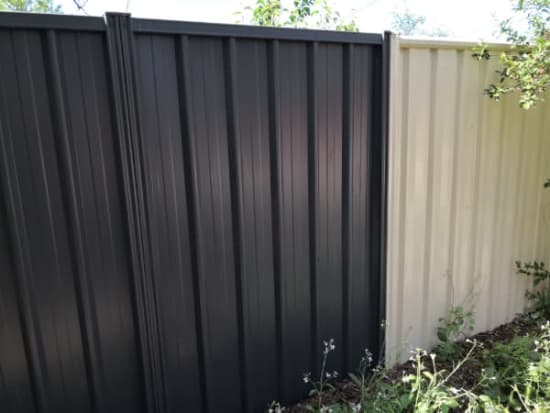
Color choices can affect the number. Popular neutrals often tend to be priced well since suppliers bring quantity. Specialized coatings, custom-made powder-coated components, or attractive caps raise the total amount. Colorbond fence gates and equipment include per-piece expenses that do not scale down nicely on brief runs. A single pedestrian entrance can be 300 to 700 bucks set up depending on framework type and locks.
If a quote looks too great to be true, it may rely on thinner infill sheets, lighter messages, or smaller sized concrete grounds that reduce life expectancy, particularly in greater wind zones. Cheap colorbond fence jobs frequently avoid corrosion-resistant screws or skimp on blog post depth. You could not see that at handover, however a winter season tornado will certainly find it.
Design choices that meet rules and still look good
Smart options can give you personal privacy and warmth without fights with the organizer. If you are taking into consideration colorbond fence ideas for a front yard in a low-fence road, think of a blended technique. A reduced open-style area to the front with a taller Colorbond run set back behind landscaping provides you privacy where you use it and maintains the street personality undamaged. Along a side border, consider incorporating a slim yard bed with trellised greenery to soften the line.
Colorbond fence layouts now include varied accounts and caps that shift the appearance from simply practical to sharper and much more architectural. Some installers supply slatted mattress toppers for light and wind. Beware however, because adding a mattress topper still counts toward overall elevation, and some councils deal with slatted areas as solid if the gaps are small. Where privacy is vital, a complete 1.8 metre run with no rails subjected on the neighbour's side is frequently the best option. Colorbond fence privacy relies on tight interlacing sheets and appropriate covering. Ask your installer which method the ribs deal with and whether bolts are exposed in your corner or shared.
Painting is a sensitive topic. A painted colorbond fence can look freshened after a decade, but new Colorbond steel already has a baked-on coating. Do not paint a new fencing. If you have an older fence with chalking or faded areas, wash with a moderate detergent, eliminate any kind of loosened product, lightly scuff, and make use of a metal-appropriate primer and topcoat from a respectable brand name. Adhere to the item's data sheet for preparation and treatment times. Painted surfaces will call for more maintenance than the initial coating. It is a compromise between a personalized appearance and long-term effort.
You will certainly hear the term colorbond paling fence tossed around in some quotes. It generally means a conventional privacy panel fence in steel as opposed to wood palings. Verify the exact account and sheet density in writing. Brand names and accounts differ, and so do performance and price.
Maintenance that maintains your fence compliant and tidy
Colorbond fencing upkeep is light but not nil. A straightforward washdown every few months in coastal or industrial parks slows salt and gunk build-up. Maintain dirt and compost from sitting against the lower rail for extended periods. Yard beds that bury the lower panel can catch dampness, and caught dampness causes rust over time. If you include lawn sprinklers, avoid consistent overspray on one section of the fencing. The formed water marks could not hurt the steel in the short-term, yet they tarnish and accelerate wear in the long run.
Watch for loosened caps and rattling in high wind seasons. Tighten mendings prior to a storm instead of after. If a panel damages, you can usually replace a solitary sheet without dismantling the entire run, given you have suitable profiles. Repaint touch-ups on scratches aid, but oversized spots on brand-new steel frequently look worse than the initial mark.
Pitfalls I see once more and again
Three jobs enter your mind, each showing a various lesson.
On a high block in the Illawarra, the owner wanted a perfectly level leading line and complete privacy. We stepped every panel, included 200 mm sleepers to adhere to the ground, and finished with an efficient elevation of 2.2 metres on the reduced side when gauged from natural ground. Council flagged it during a drive-by. We solved it with a small planning application and warranted the height near the neighbor's increased deck, but the client would certainly have conserved fees with a raked top or a much shorter sleeper.
On an edge block in Brisbane, a client purchased 1.8 metre panels along the second road. The sightline triangular near the driveway pushed us to go down the first 3 metres to 1.2 metres. We revealed the customer just how a high bush inside the fencing line would certainly give back privacy without causing an authorization. It cost a few hundred dollars in plants and addressed a regulatory headache.
In a seaside suburban area of Perth, a cheap quote utilized zinc-plated screws that looked penalty on day one. 2 winter seasons later on they showed corrosion hemorrhage. The fence itself was fine, however the screws needed to be changed, and spots took effort to eliminate. The original contractor was nowhere to be discovered, and the tiny saving at the start transformed costly.
A quick compliance and allow check before you book
- Measure meant elevation from all-natural ground level on the low side at numerous points, specifically on inclines or above sleepers.
- Confirm front and edge guidelines for your street, including any type of sightline triangles near driveways or intersections.
- Check title for easements, after that lodge a Prior to You Dig Australia inquiry to map underground services.
- Scan your home record for overlays like heritage, flood, or bushfire that change regular exemptions.
- Put neighbor contracts in writing, consisting of shade, height, and any type of upgrades relative to a typical fence.
Choosing distributors and installers that know the rules
Reputable colorbond fence suppliers and installers bring system-specific span tables, wind region assistance, and hardware packages developed for neighborhood problems. Ask for proof of public obligation insurance coverage, a created scope, and a service warranty that covers both materials and workmanship. A solid attire will be in advance about colorbond fence prices, what is consisted of, and what counts as a variation. If an installer can not explain how they established article deepness for your soil or wind region, maintain looking.
Timelines matter too. An excellent crew can set up 20 to 40 metres of common colorbond fencing in a day with clear access, however factor time for eliminating the old fence, taking care of origins or rocks, and establishing concrete. If you are including colorbond fence gates, inspect preparations for frameworks and locks. Anything customized will certainly stretch the schedule.
The bottom line
Colorbond fence earns its popularity by delivering a tidy, private boundary at a fair cost, with light upkeep over years. The other hand is that policies around elevations, obstacles, and permits are genuine and enforceable, and they differ more than many people expect. Deal with the very first hour of your project as research time. Procedure from natural ground, map easements, reviewed the neighborhood elevation policies, and sketch what you plan to build. If you require a greater area for personal privacy, take into consideration tipping purposefully or including screening inside your limit. Companion with a neighbour rather than unexpected them. Pick a system with tested parts, and resist the lure of a low quote that conceals thin steel or superficial posts.
Do those things, and your colorbond fence installation will look right, last, and meet with approval when the council ranger walks by. That is cash and anxiety you do not have to spend, and a fence you will barely consider while you appreciate the quiet it brings.